Living in the city of stone
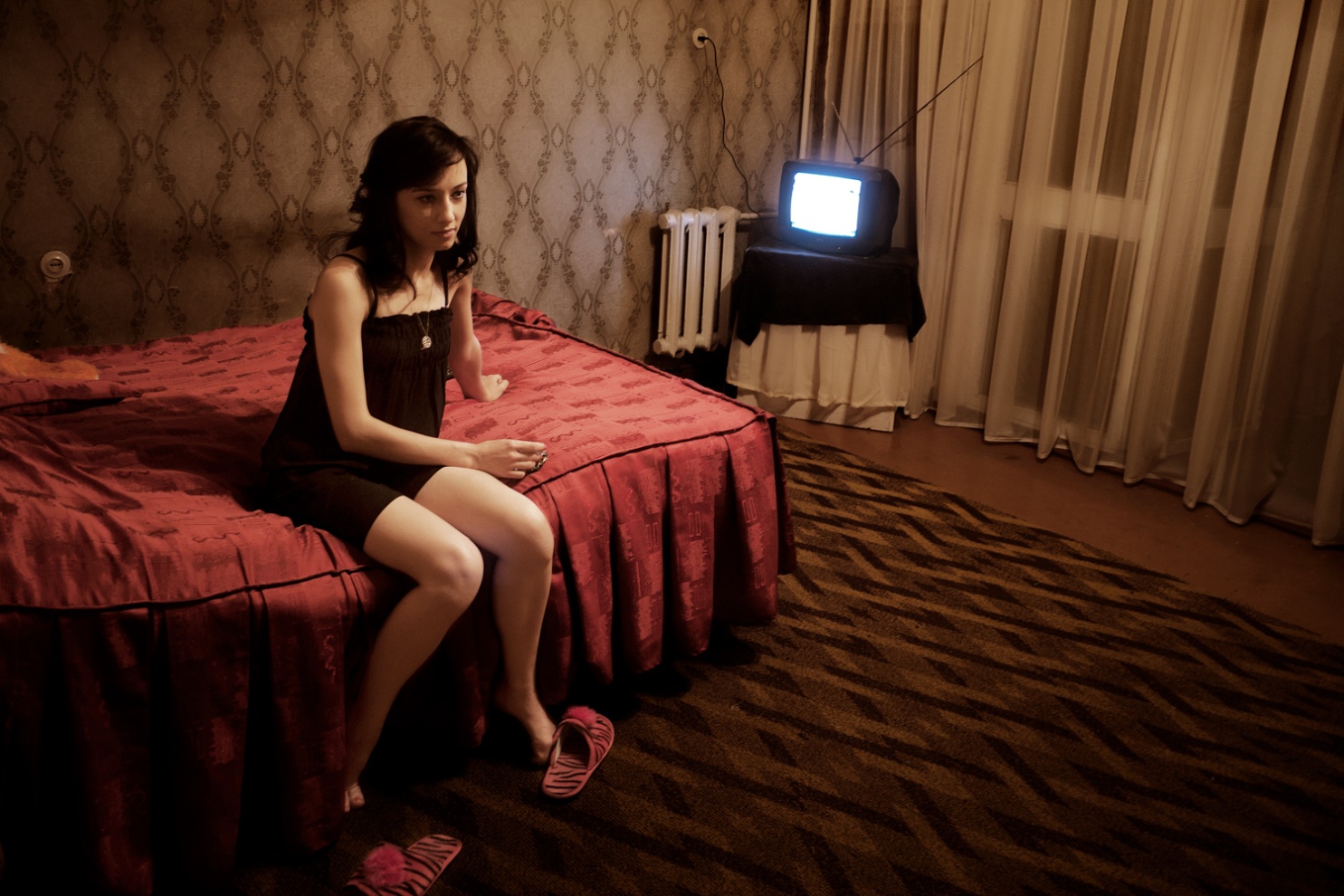
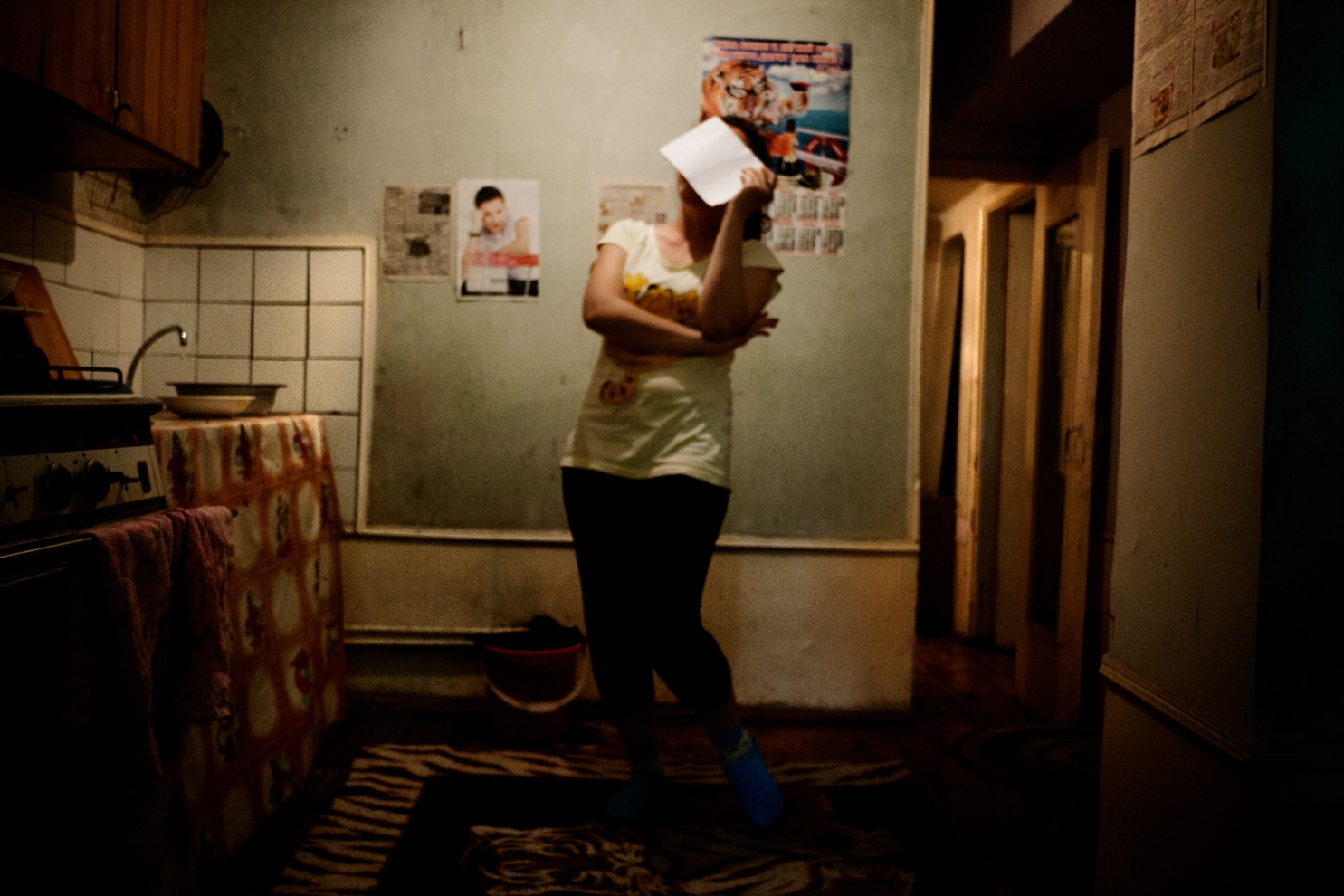
Tashkent youth dream not only of America and Europe, but South Korea as well, being one of Uzbekistan’s strongest economic partners. It’s no coincidence that Korean is an alternative to English as a foreign language, being that it provides access to better jobs and salaries. Apparently a good university education would seem to provide access to an adequate Western standard of living. However, in Uzbekistan, invested with a deep culture of patronage, it’s easier to finish college by purchasing a degree than by merit or actually studying. Taskent youth are a wonderful example of tolerance and positive coexistence as Uzbekistan is comprised of several different ethnic groups. Firstly Uzbeks, but also Tajik, Tartar, Armenian, Russian, Korean and Kazakh. Seemingly no cultural differences exist since first Russian, then Uzbek, are the languages of communication, as if the Soviet period still existed.
The majority of Tashkent youth have never been outside of Uzbekistan nor have they seen other Uzbek cities like Samarkand, Bukhara and Khiva. Karimov, the eternal president, maintains a continuous media censorship with little other than Russian entertainment and music available.
1 / 20
enlarge
slideshow
Uzbekistan; Tashkent; 2011;
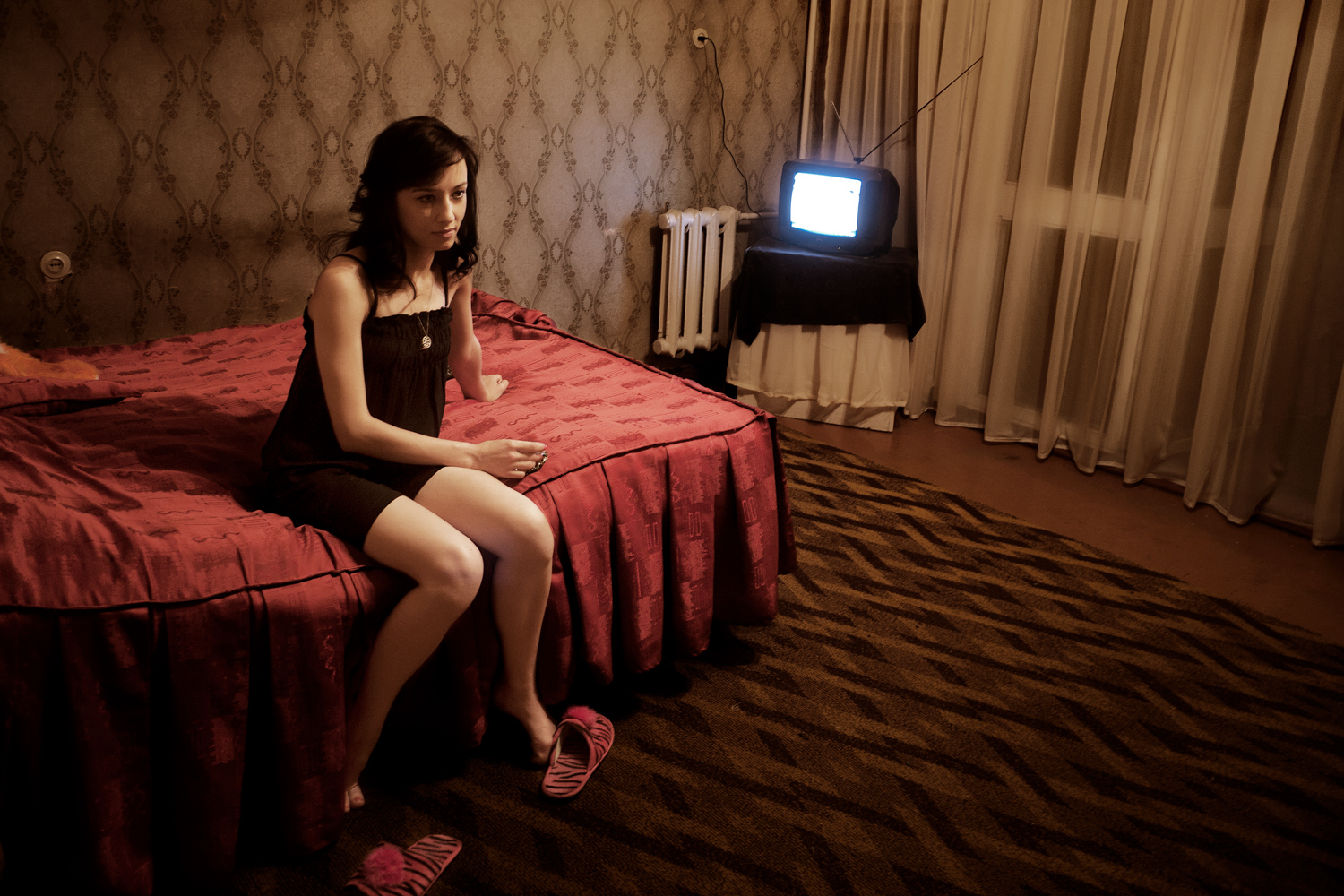
Lilya studies English and Japanese. It was not her choice but her father’s desire, hoping that in the future she can find a job as a tour operator.
|
|
|
2 / 20
enlarge
slideshow
Uzbekistan; Tashkent; 2011;
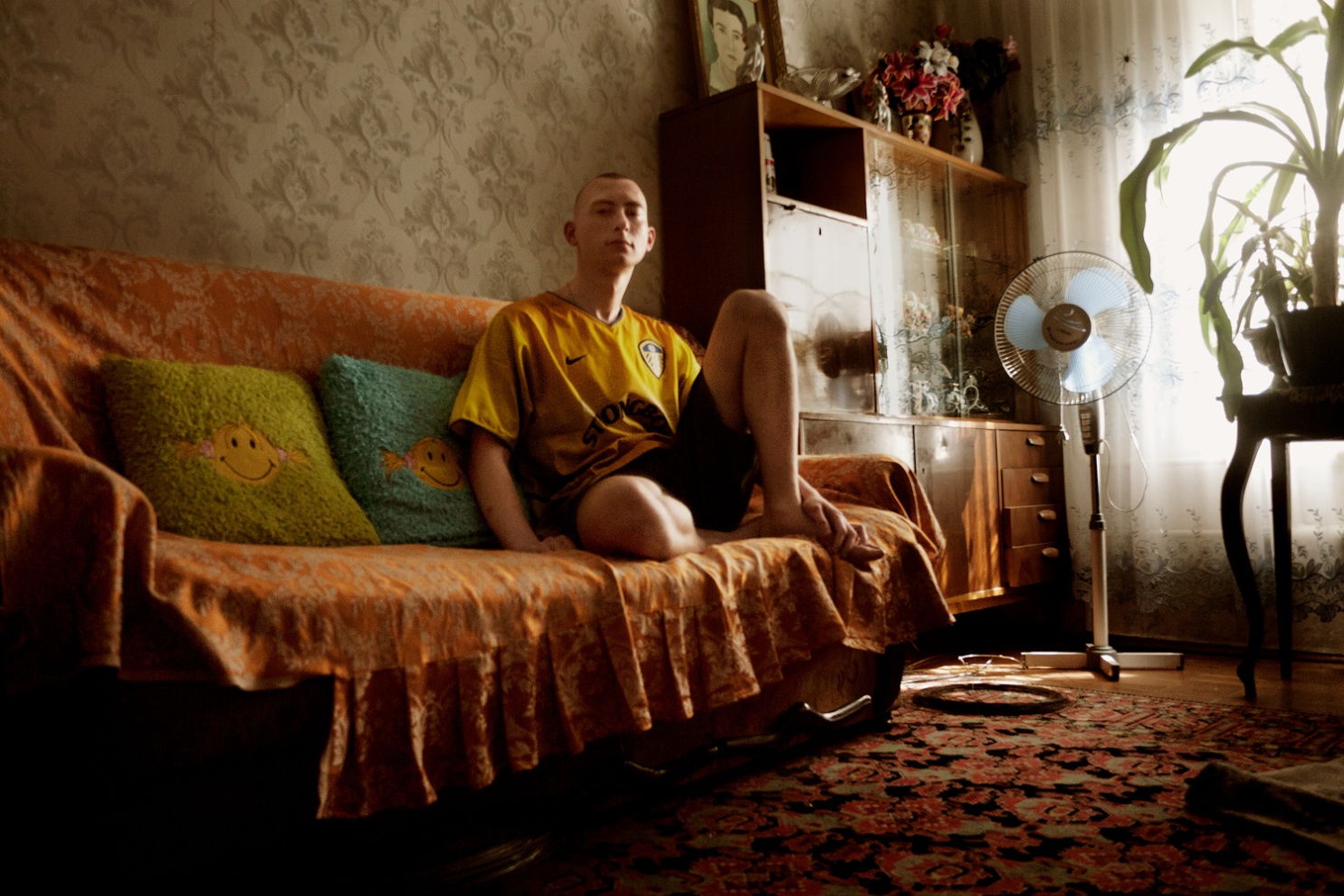
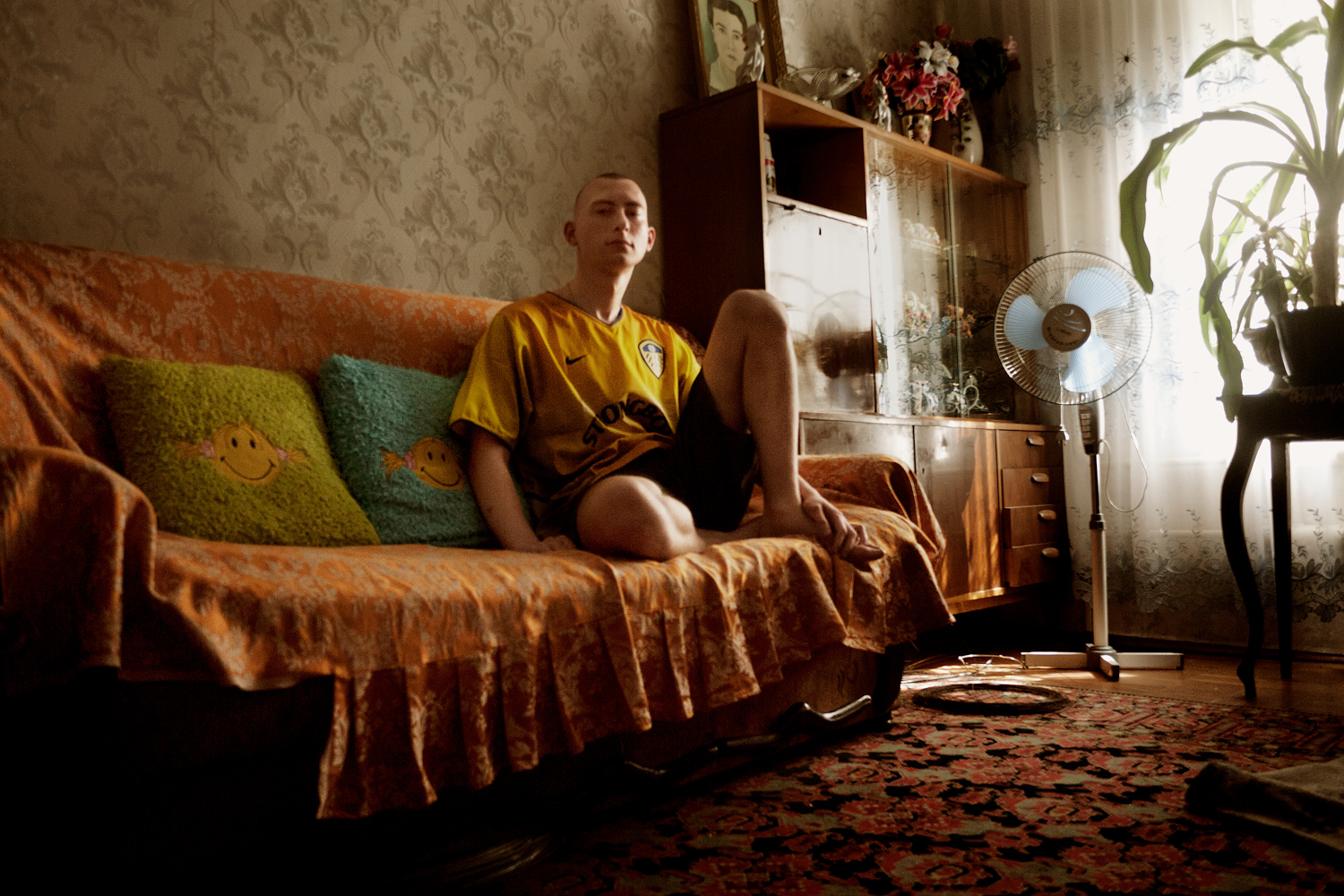
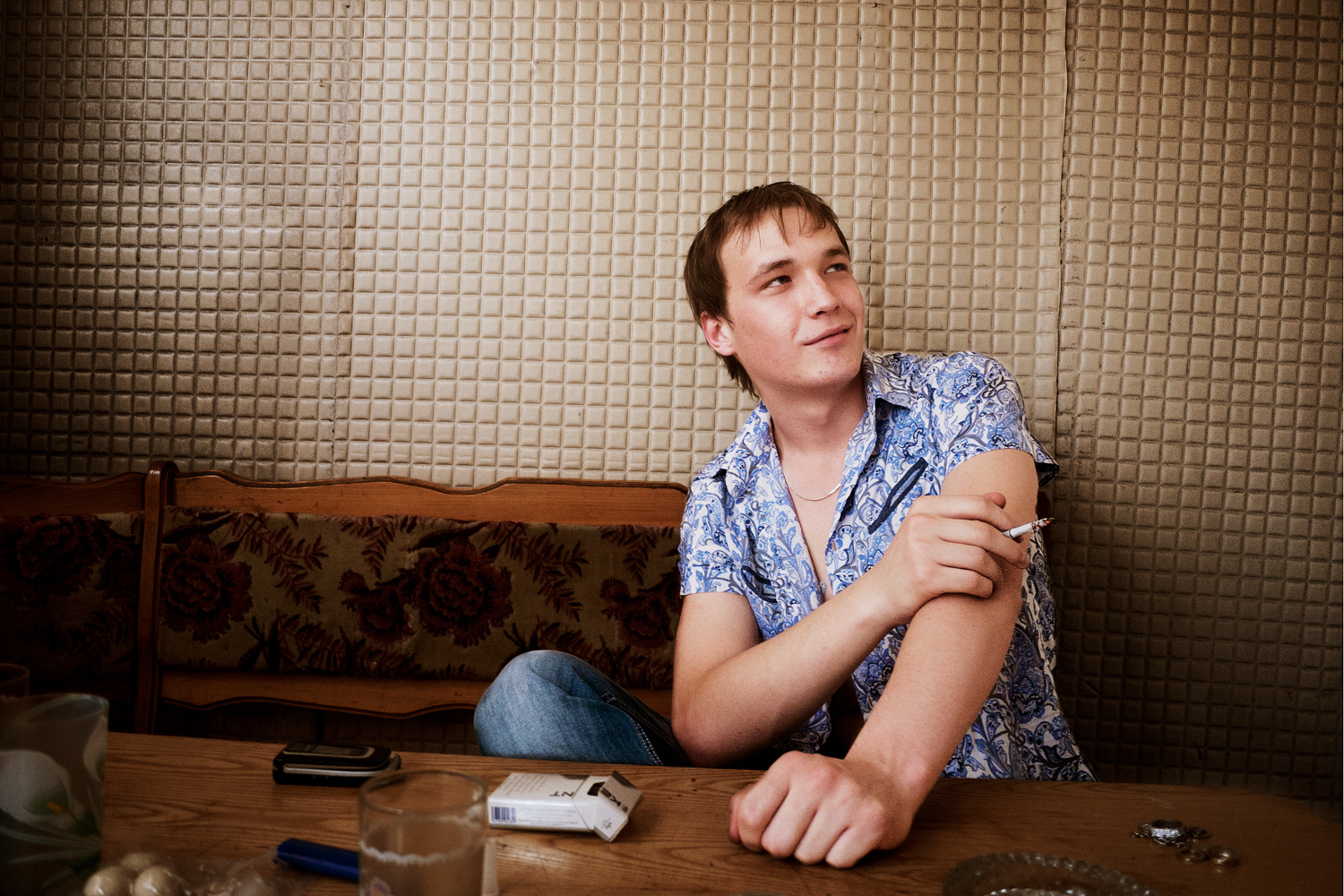
Yan is Russian. He lives with his uncle because his parents are still in Russia. He’s unemployed.
|
|
|
3 / 20
enlarge
slideshow
Uzbekistan; Tashkent; 2011;
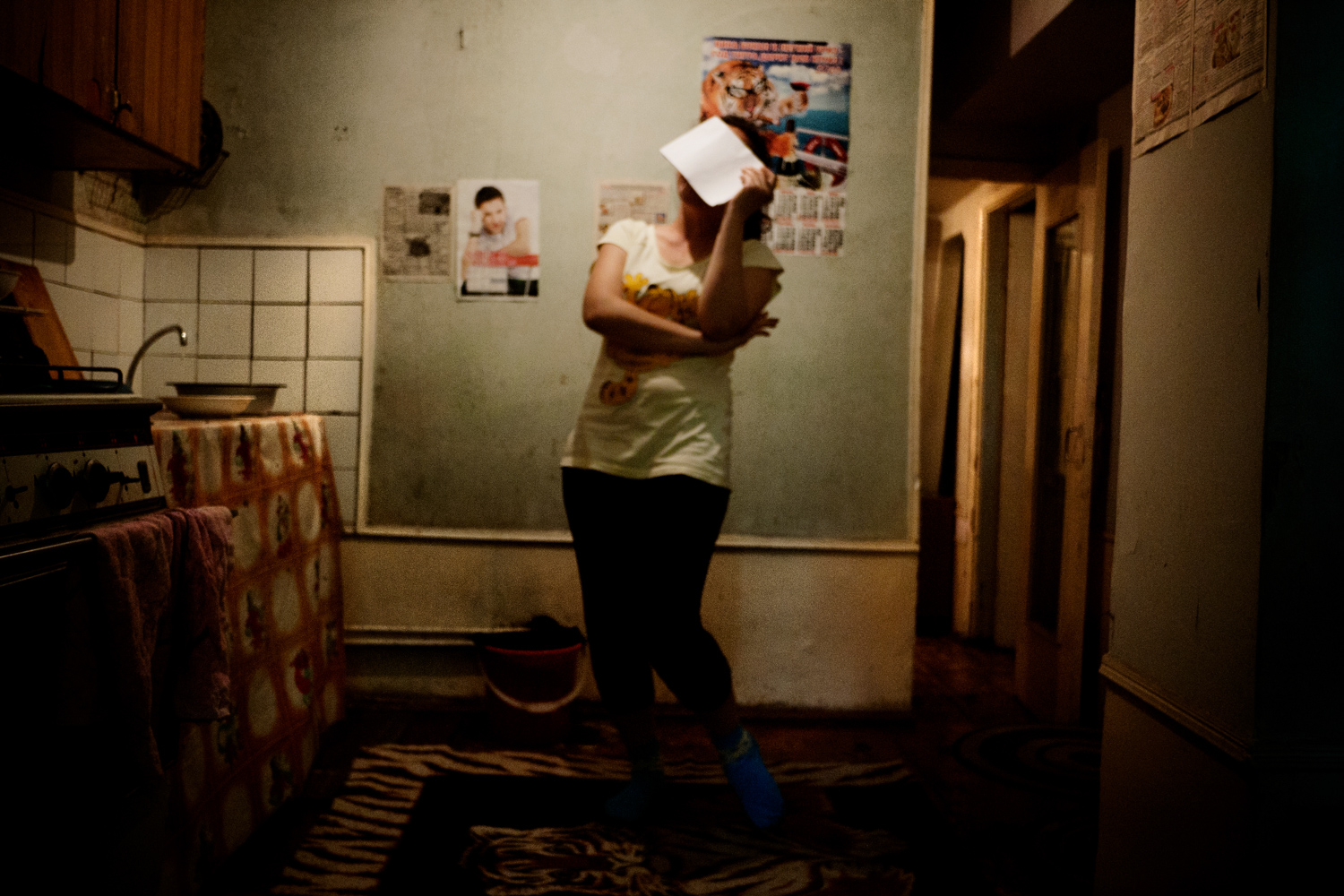
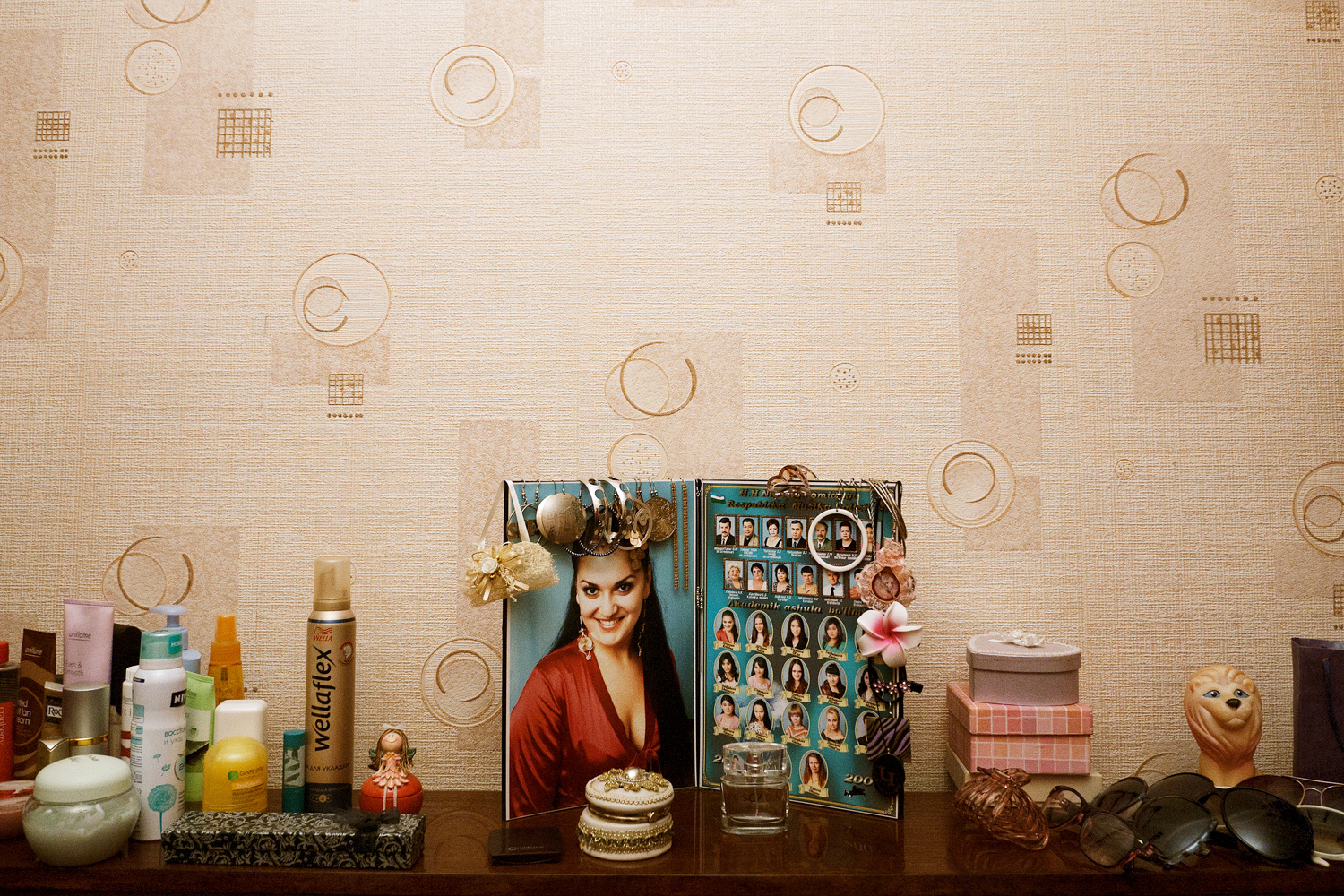
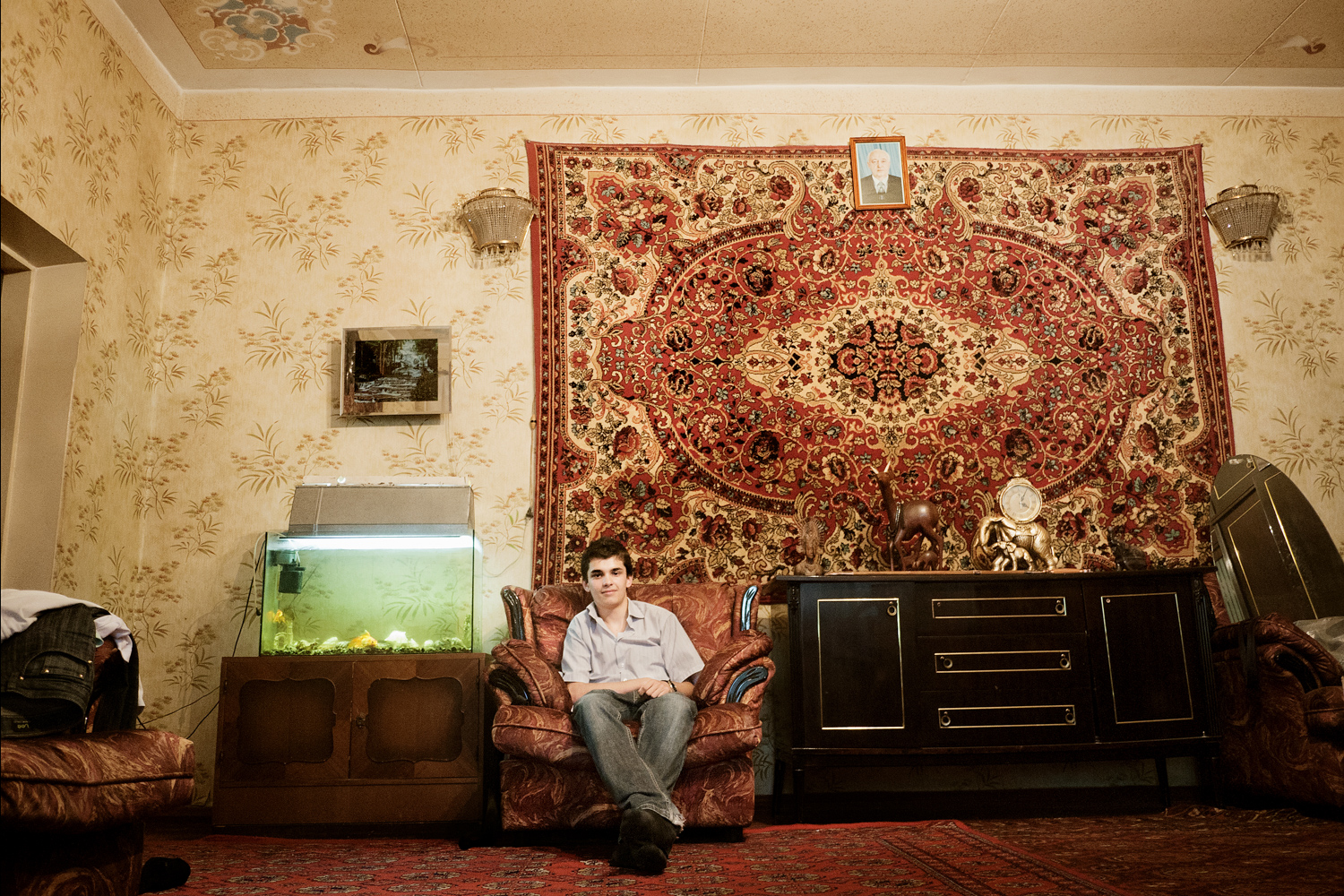
The interior of a foreign language student’s home near Chilonzor.
|
|
|
|
|
|
5 / 20
enlarge
slideshow
Uzbekistan; Tashkent; 2011;
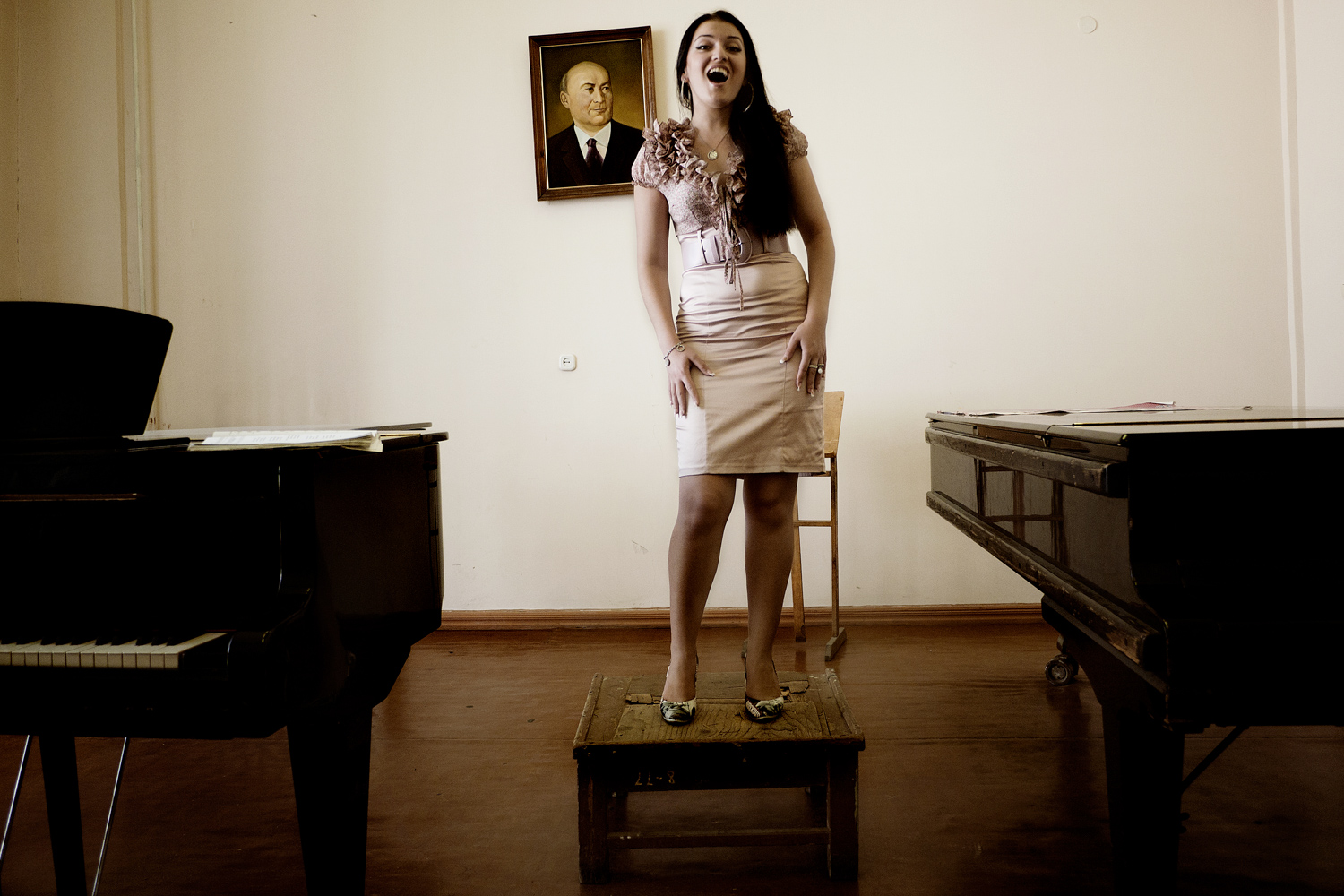
An Armenian pop singer rehearses at the National Conservatory of Tashkent.
|
|
|
6 / 20
enlarge
slideshow
Uzbekistan; Tashkent; 2011;
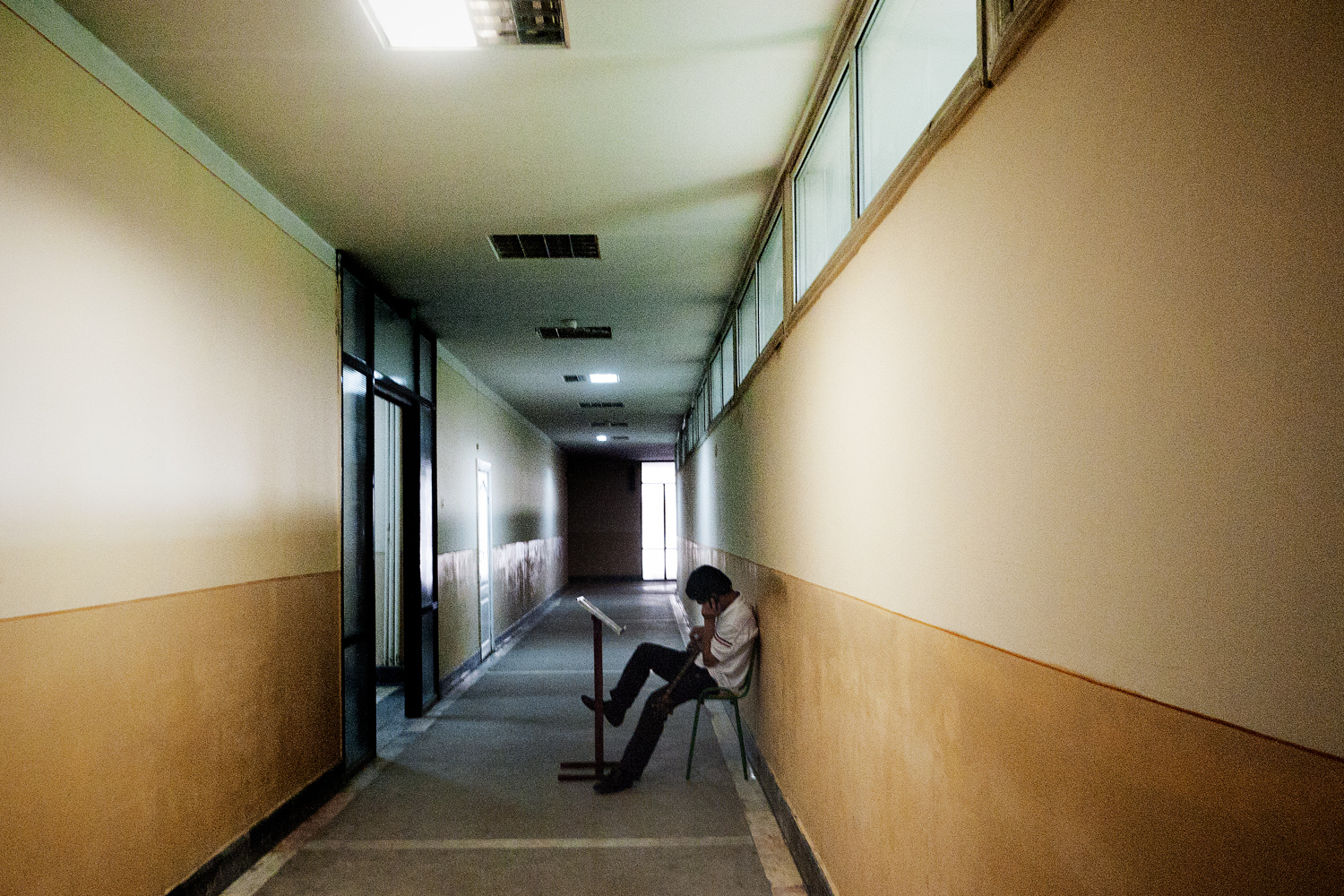
A student rehearses at the National Conservatory of Tashkent.
|
|
|
7 / 20
enlarge
slideshow
Uzbekistan; Tashkent; 2011;
Boris is Russian. After six months and finding a job as a part-time warehouseman, he still dreams of going back to Saint Petersburg, where his family and friends await.
|
|
|
|
|
|
9 / 20
enlarge
slideshow
Uzbekistan; Tashkent; 2011;
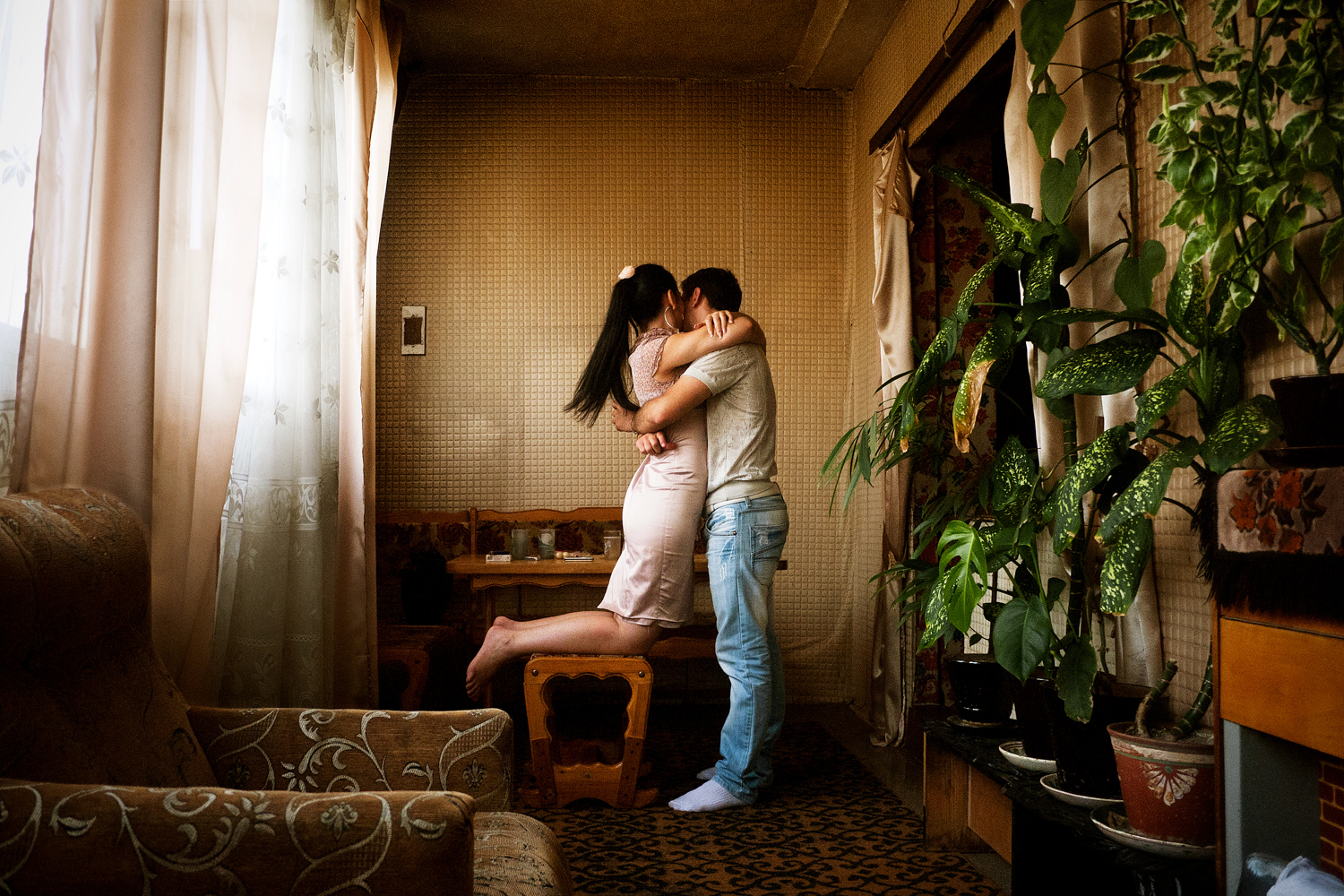
A young Tajik-Armenian couple.
|
|
|
10 / 20
enlarge
slideshow
Uzbekistan; Tashkent; 2011;
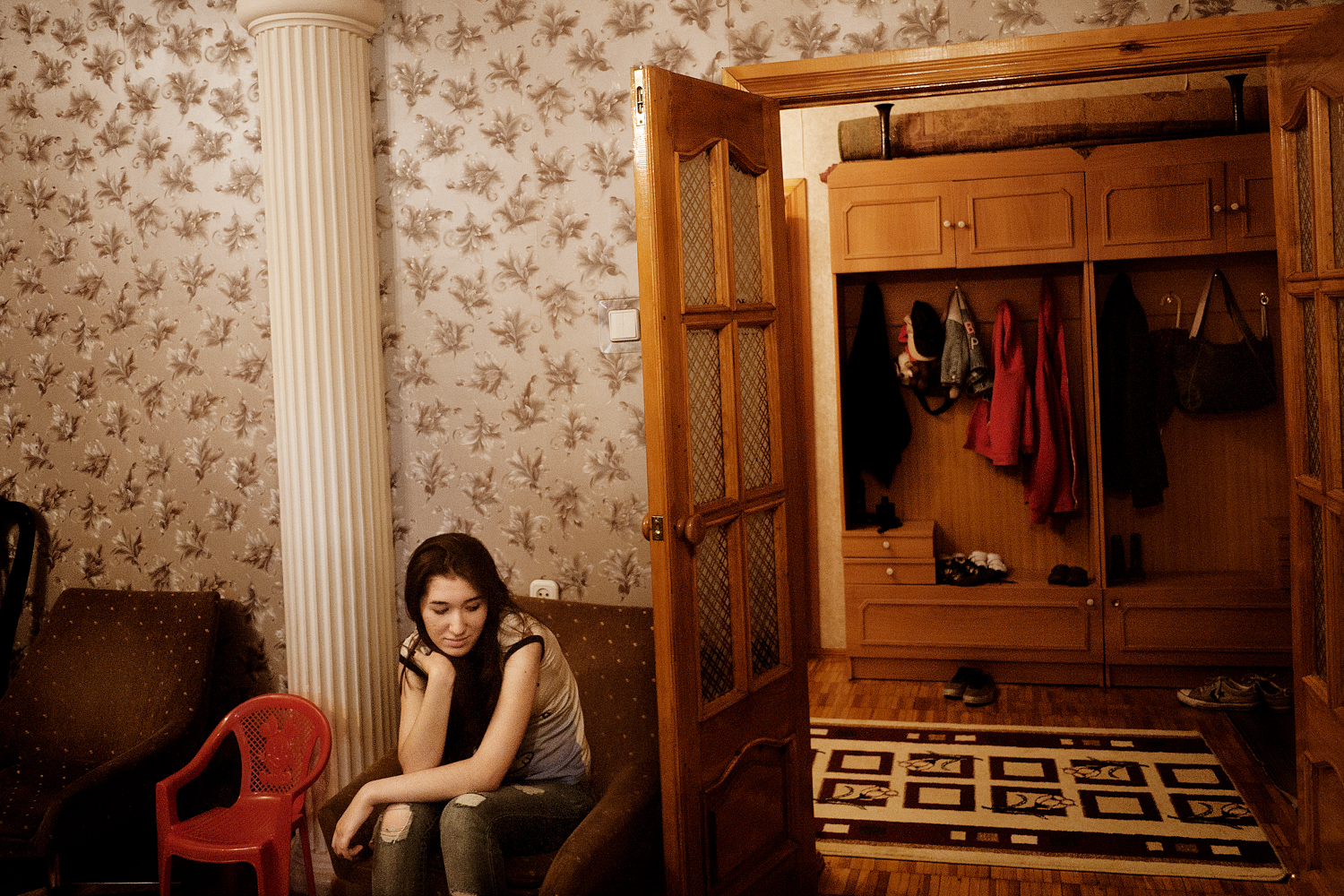
A room interior of an Armenian family house.
|
|
|
11 / 20
enlarge
slideshow
Uzbekistan; Tashkent; 2011;
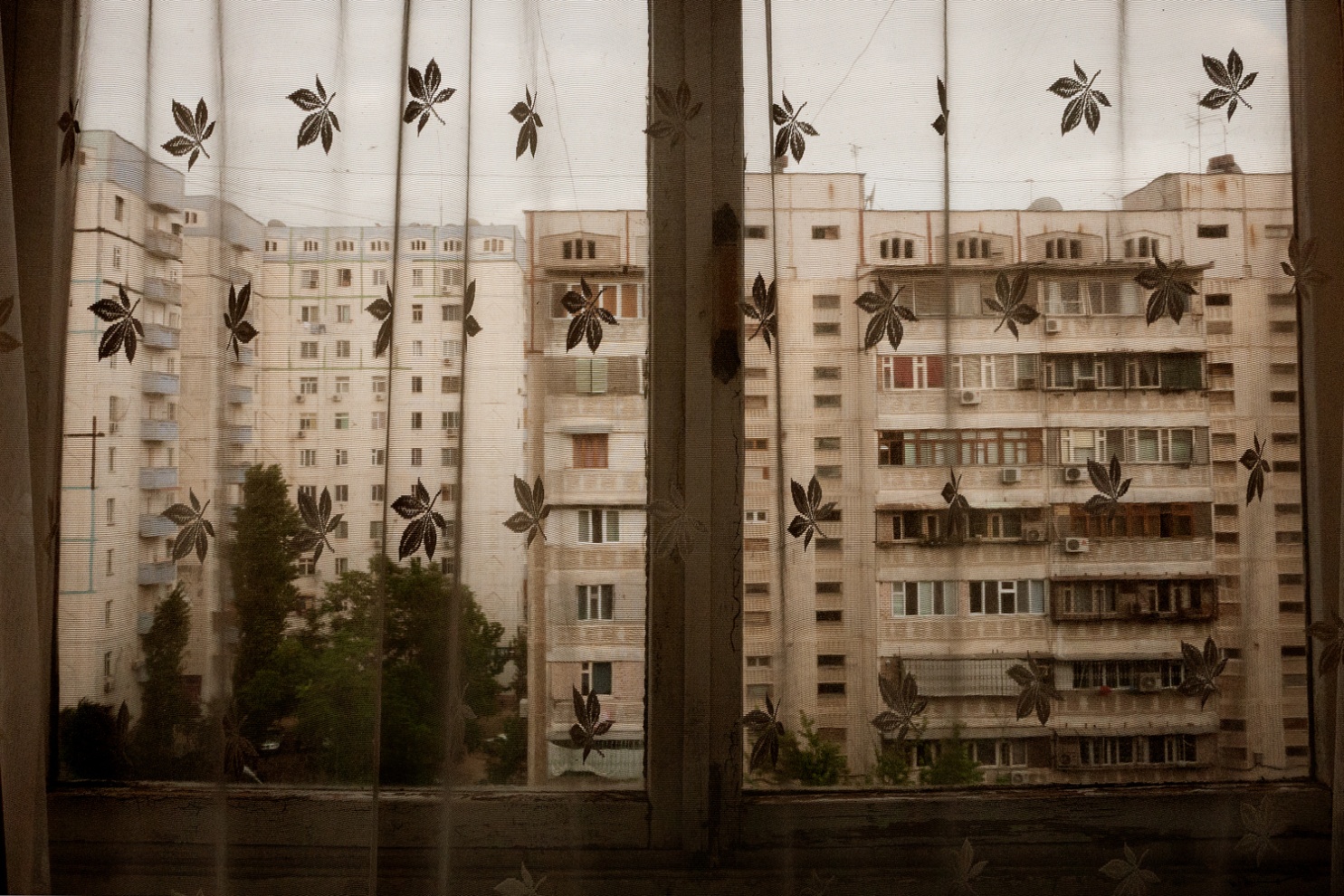
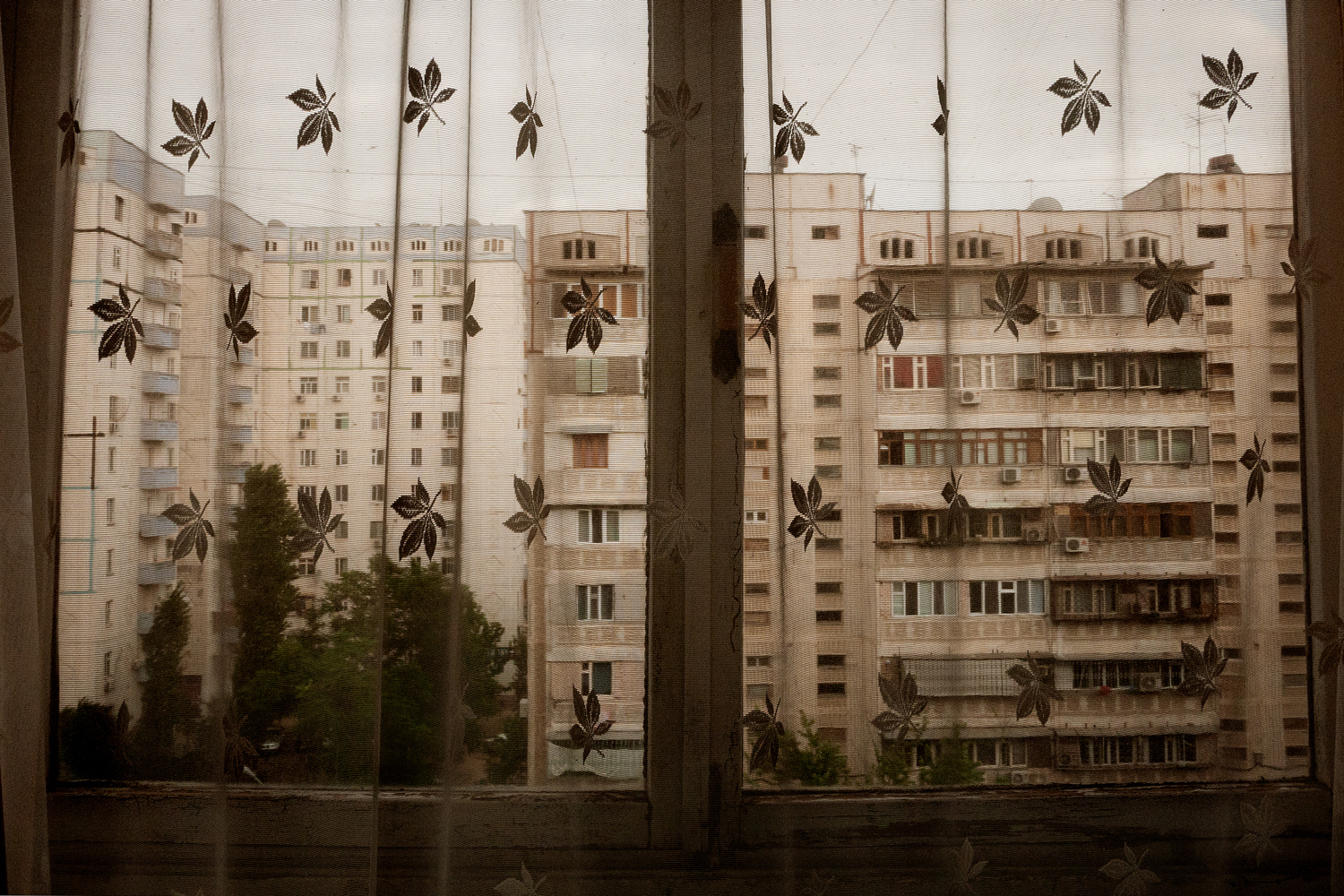
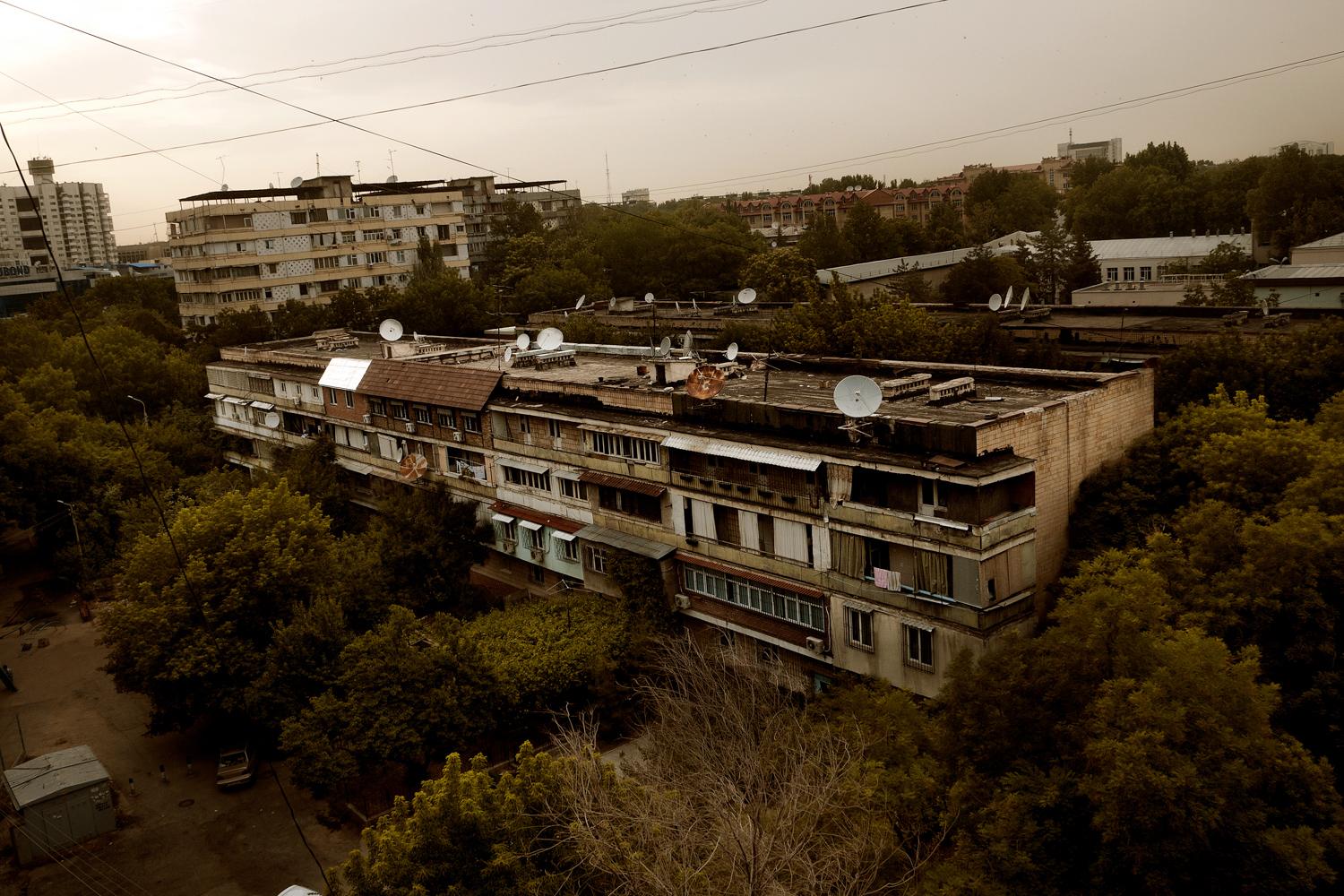
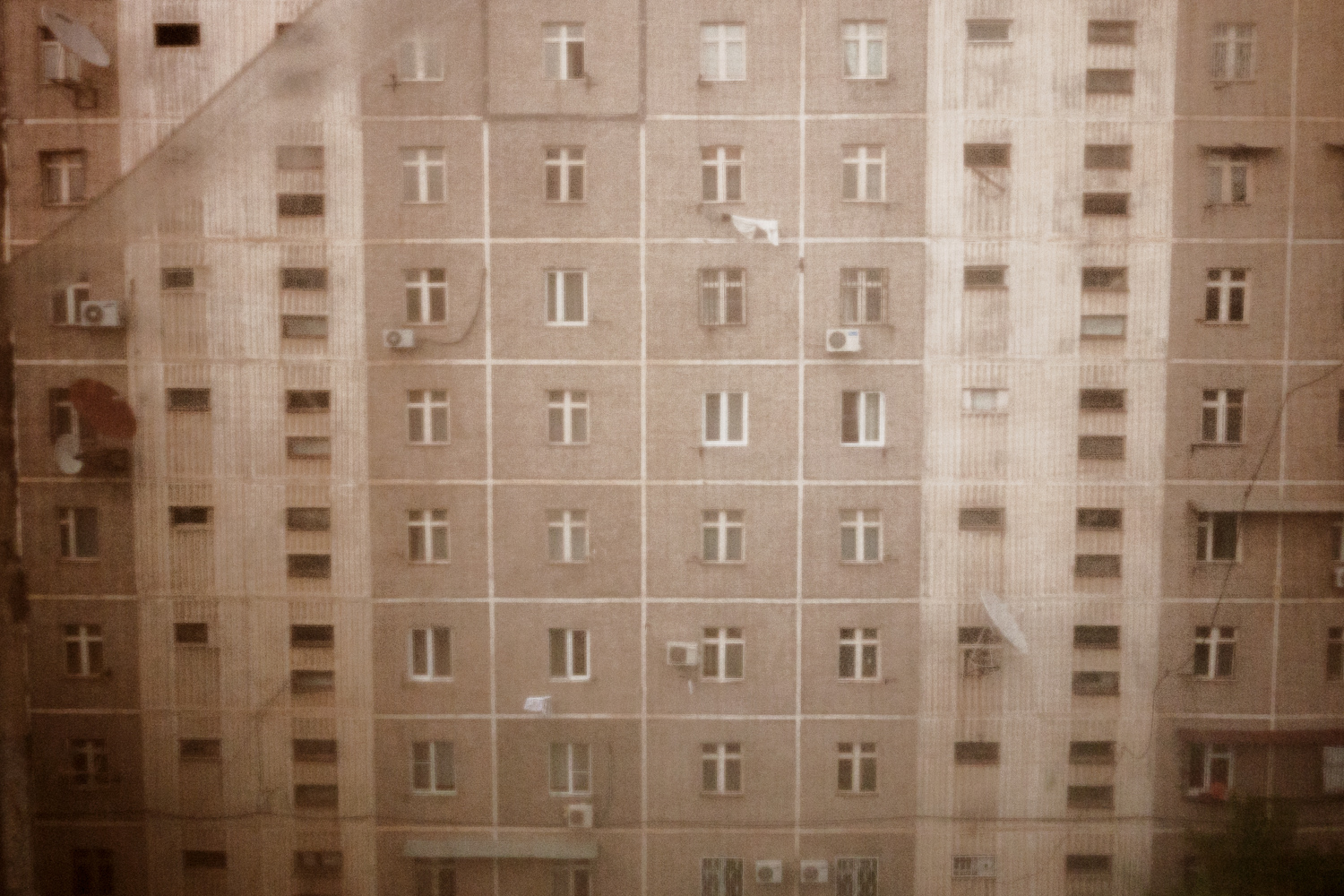
An example of Soviet architecture of the ‘70s.
|
|
|
12 / 20
enlarge
slideshow
Uzbekistan; Tashkent; 2011;
After 1998’s crisis, in order to sustain the main economical activity, cotton cultivation, child labor is diffusely tolerated.
|
|
|
13 / 20
enlarge
slideshow
Uzbekistan; Tashkent; 2011;
Joha is a Muslim Uzbek. He strongly believes that the westernization of the city will only bring decay. He is deeply respected by his friends and is in a relationship with a Christian Armenian girl he wants to marry.
|
|
|
14 / 20
enlarge
slideshow
Uzbekistan; Tashkent; 2011;
Kamola speaks fluently English thanks to the American TV series she watches at the local internet point and to the expensive private school her family manages to send her to, with great economical sacrifices.
|
|
|
15 / 20
enlarge
slideshow
Uzbekistan; Tashkent; 2011;
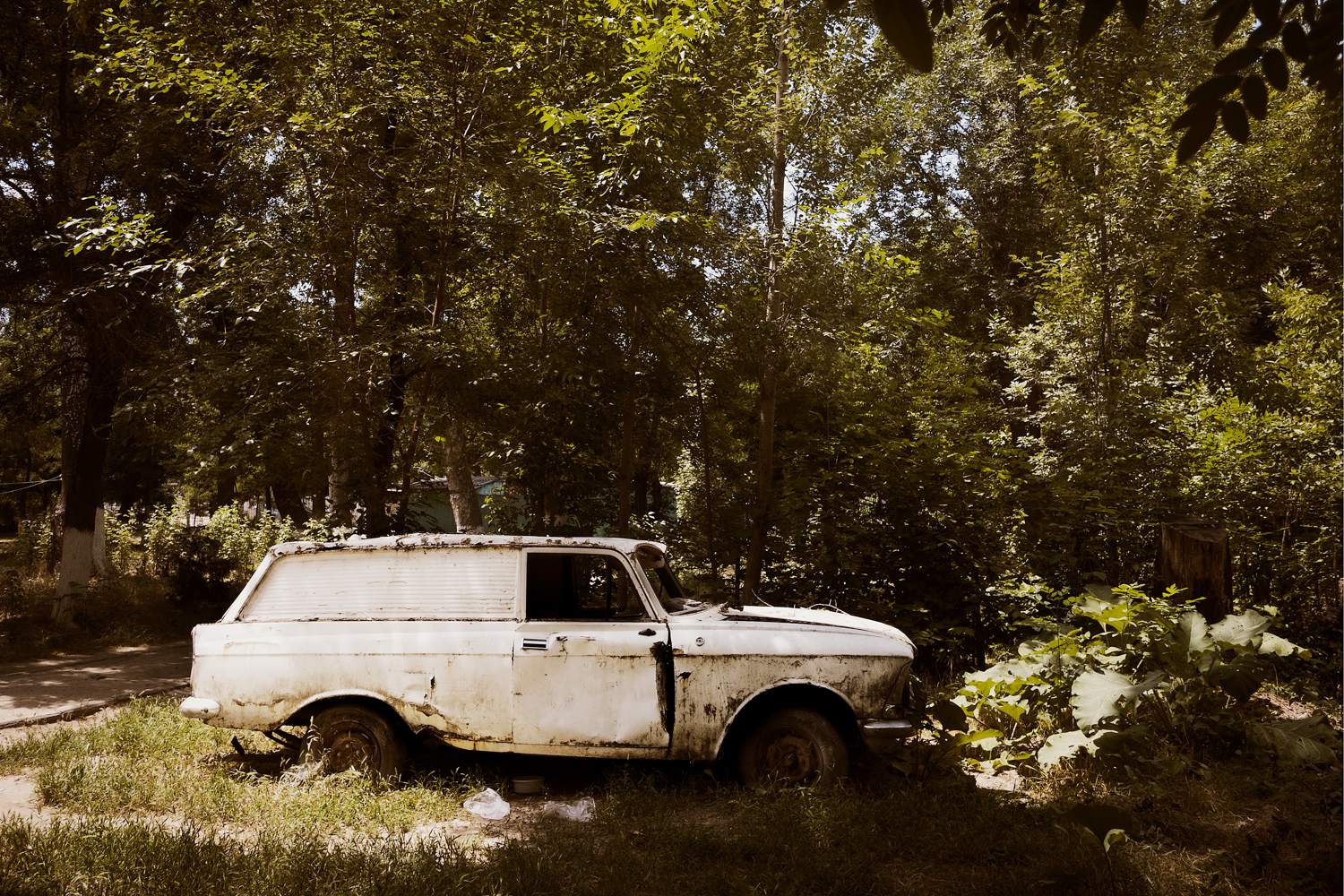
A scrap of a Lada near the racetrack bazaar in the Armenian neighborhood.
|
|
|
16 / 20
enlarge
slideshow
Uzbekistan; Tashkent; 2011;
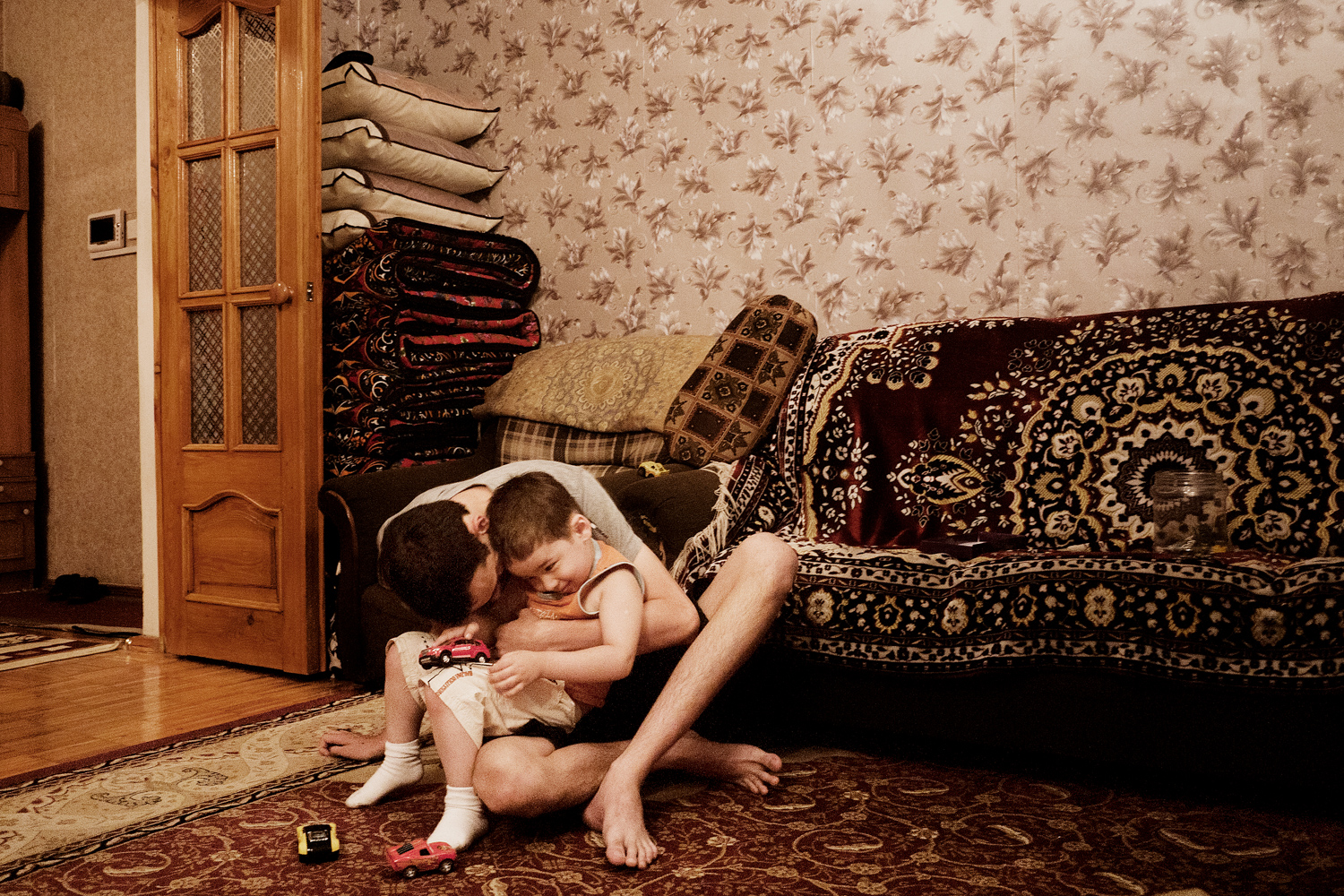
A russian guy plays with his nephew.
|
|
|
17 / 20
enlarge
slideshow
Uzbekistan; Tashkent; 2011;
After the 1966 earthquake, the Soviet Union decided to rebuild Tashkent following the regime dictates. In a little more than ten years, Tashkent became one of the main cities for the people of the former Soviet empire.
|
|
|
18 / 20
enlarge
slideshow
Uzbekistan; Tashkent; 2011;
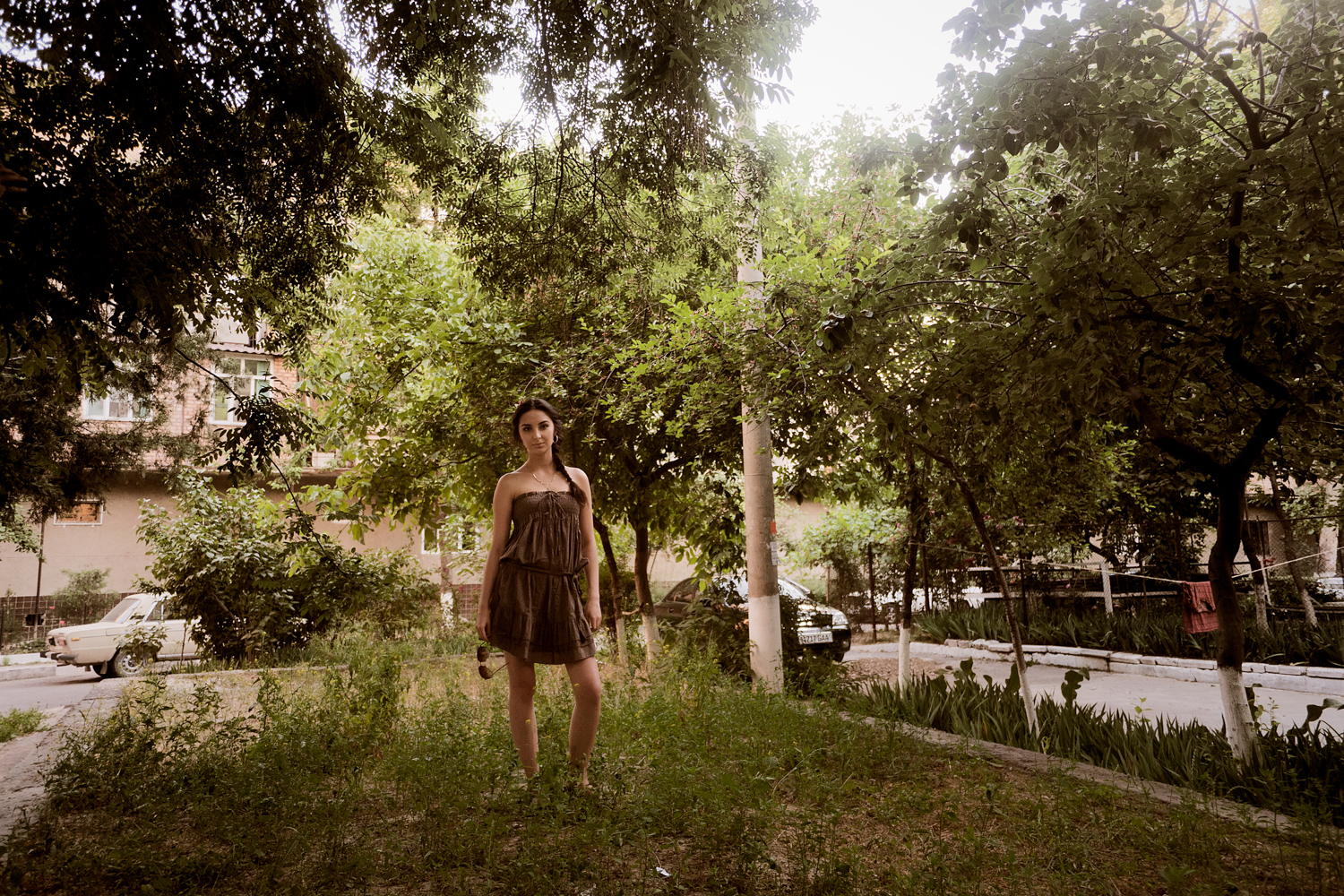
Kristina: an aspiring model of Armenian origins.
|
|
|
19 / 20
enlarge
slideshow
Uzbekistan; Tashkent; 2011;
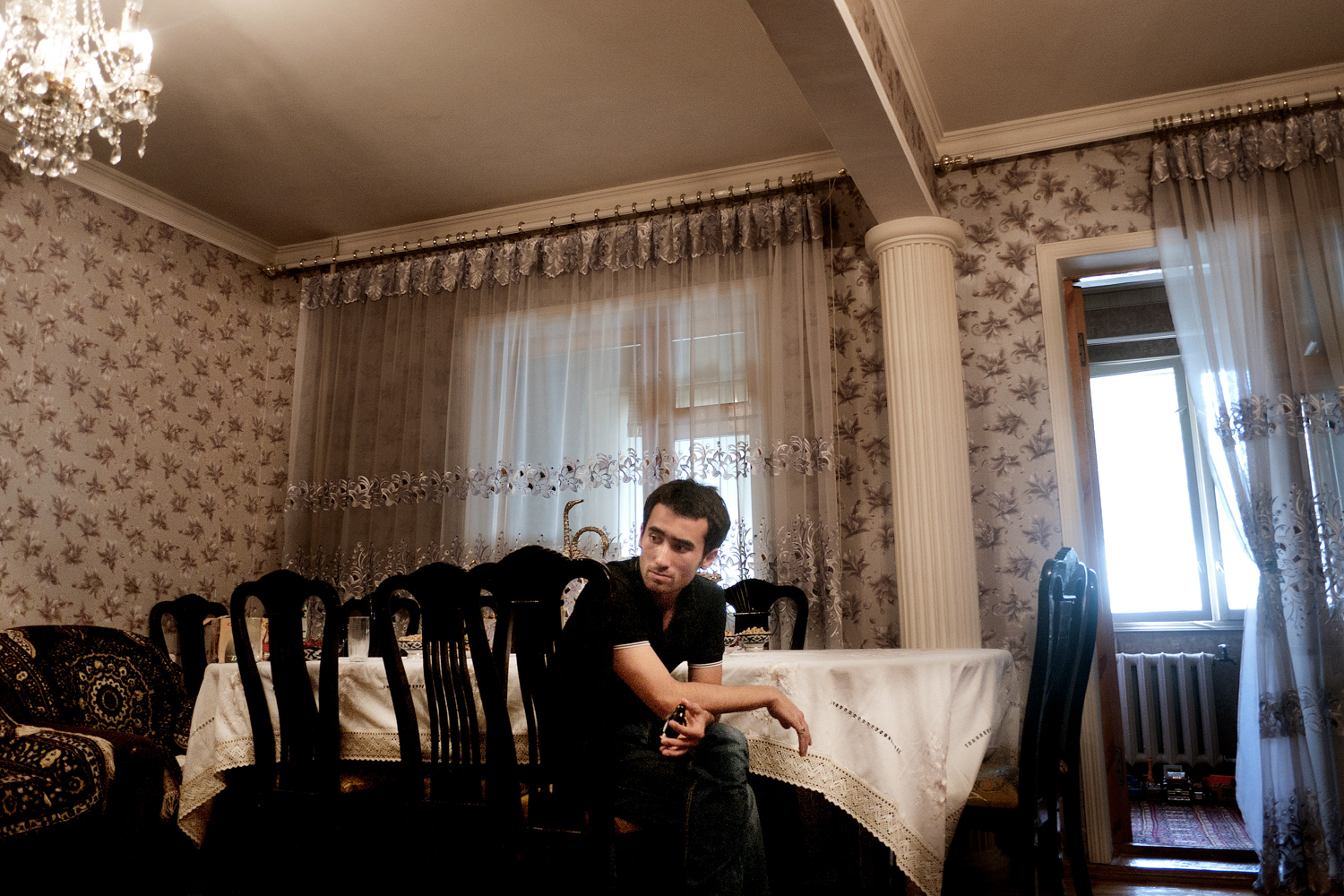
A living room interior of a wealthy Tajik family.
|
|
|
20 / 20
enlarge
slideshow
Uzbekistan; Tashkent; 2011;
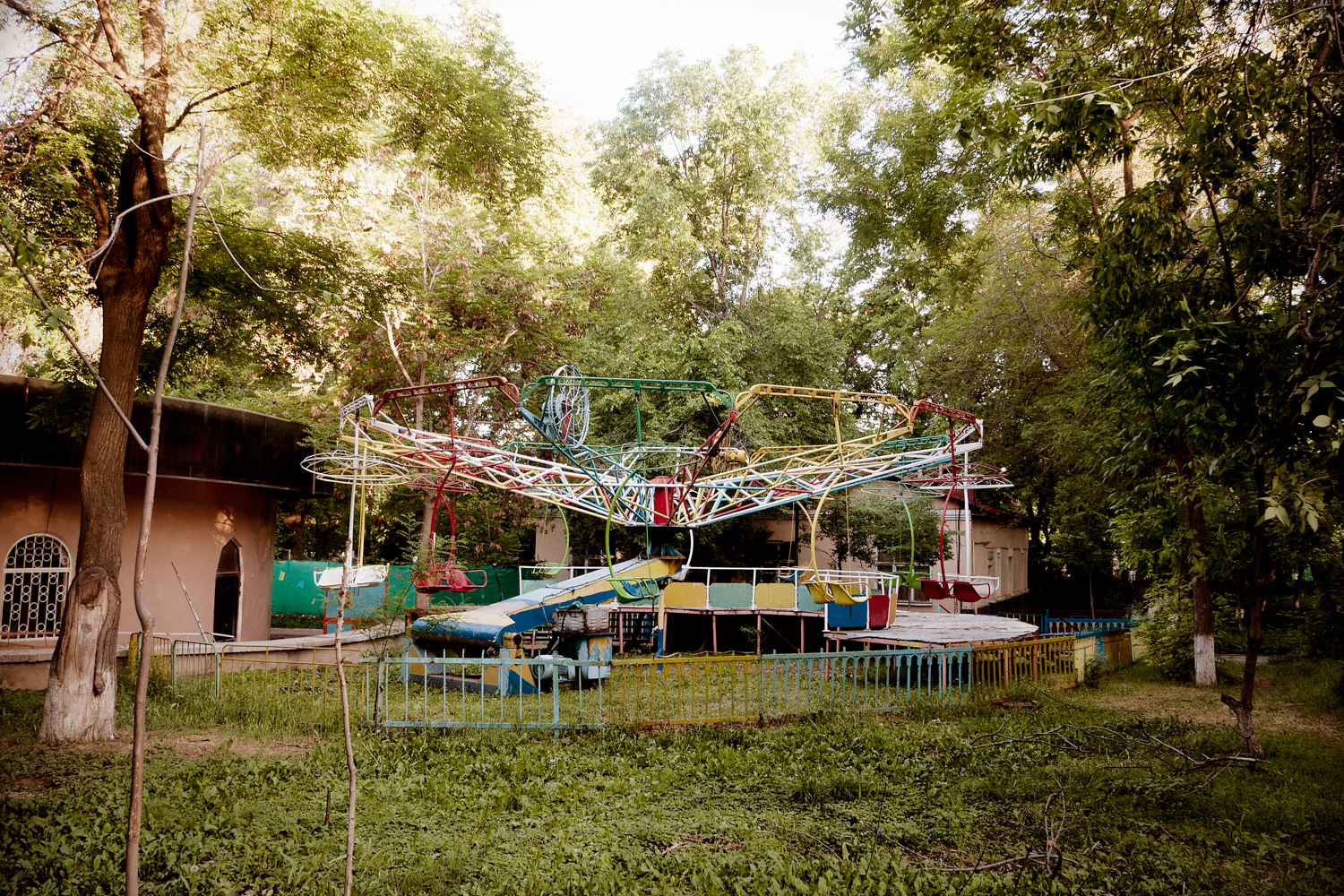
A carousel near the Babur park.
|
|
|
|
|